4 Lighting Trends Shaping Homes in 2026
A design-forward guide for buyers, sellers, and homeowners
Lighting has moved well beyond simple functionality. In today’s homes, it shapes atmosphere, highlights architecture, and plays a meaningful role in how a property is experienced both in person and online. Current design trends point toward lighting that feels warm, intentional, and visually distinctive.
These lighting strategies are particularly relevant in coastal and luxury markets such as Santa Monica, Malibu, and Los Angeles, where design, natural light, and lifestyle-driven presentation are essential to a home’s appeal.
Below are four home lighting trends gaining momentum in 2026 and why they matter for both design and real estate presentation.
1. Sculptural Fixtures as Statement Pieces
Lighting is increasingly being treated as functional art. Oversized chandeliers, artistic pendants, and bold ceiling fixtures are no longer just practical additions—they are focal points that define a room.
Entryways, dining rooms, and living spaces are especially well suited for statement lighting. These pieces help anchor the design of the home and create a memorable visual impression from the moment someone walks in.
For sellers, a striking fixture can elevate listing photos and make a home feel more curated and current.
2. Warm, Layered Lighting for Comfort
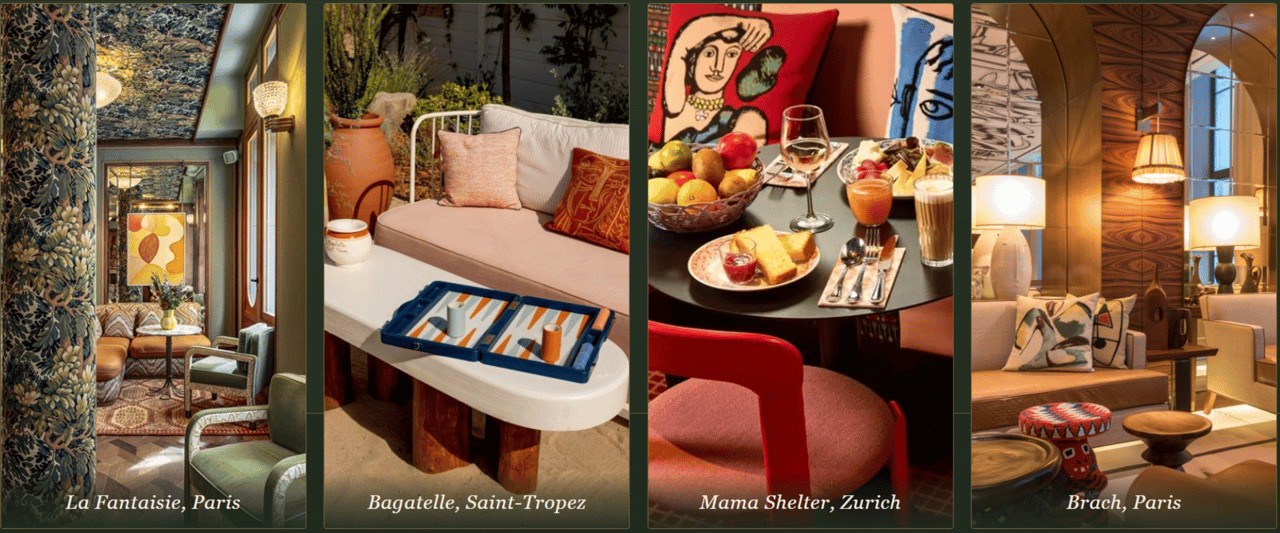
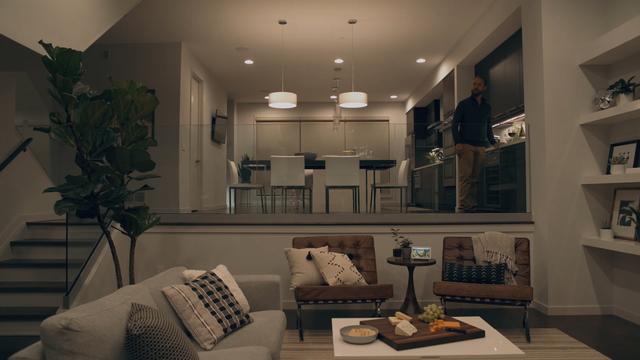
One of the clearest shifts in interior lighting is the move away from harsh, cool-toned brightness and toward warmer, softer illumination. Homes are increasingly using layered lighting plans that combine ambient, task, and accent lighting to create depth and flexibility.
This can include recessed lights, table lamps, wall sconces, under-cabinet lighting, and dimmers working together throughout the home. The result is a more welcoming atmosphere that adapts easily from daytime function to evening comfort.
In real estate, warm layered lighting can make interiors feel more inviting during showings and help buyers emotionally connect with the space.
3. Natural Materials and Organic Design
Lighting is also following the broader movement toward natural textures and organic finishes. Fixtures made with rattan, linen, wood, ceramic, and other tactile materials are becoming increasingly popular, especially in homes that favor a calm, relaxed aesthetic.
These materials bring softness and depth to interiors while complementing neutral palettes and coastal-inspired design. The look feels refined without being overly formal, making it especially appealing in lifestyle-driven markets.
For homes in coastal settings, organic lighting choices can reinforce a sense of ease, warmth, and understated sophistication.
4. Smart and Energy-Efficient Lighting
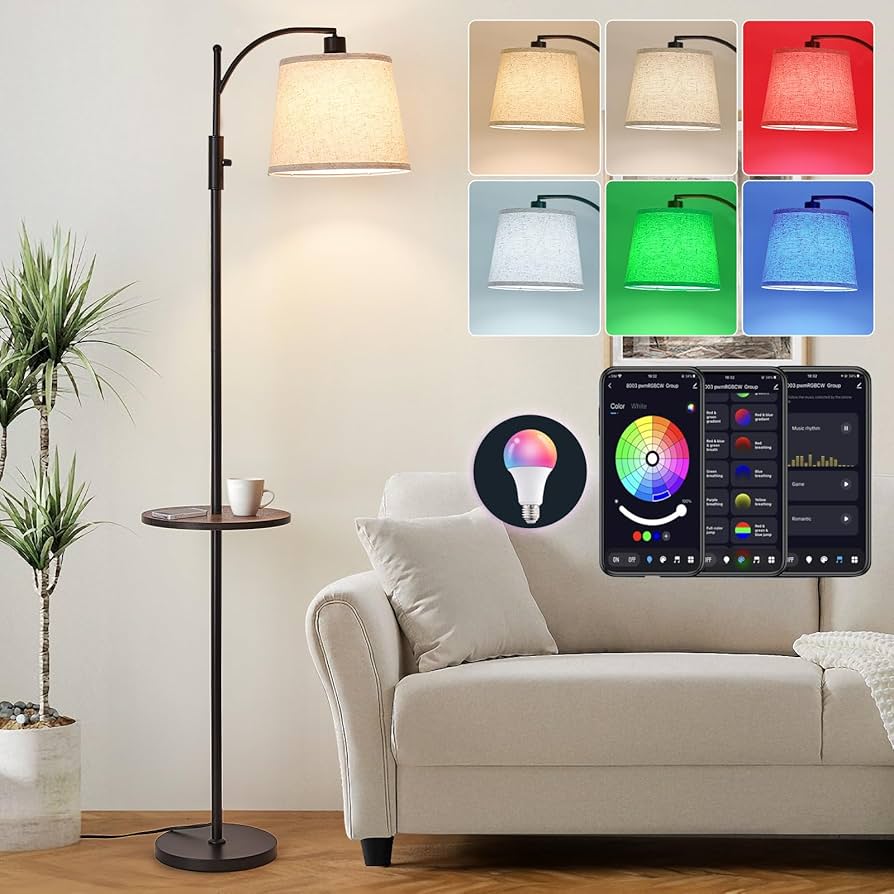
Technology continues to shape modern living, and lighting is no exception. Buyers increasingly appreciate systems that are efficient, intuitive, and easy to customize. LED lighting, dimmable controls, and app- or voice-enabled systems are now common features in updated homes.
Smart lighting can improve convenience while also supporting energy savings. Programmable lighting scenes for mornings, evenings, and entertaining add a layer of luxury without requiring major visual changes to the home.
For sellers, these upgrades can signal a home that feels current, efficient, and thoughtfully improved.
Final Thought
Lighting is no longer a secondary detail. It is one of the most effective ways to influence how a home feels, functions, and presents itself. Whether through sculptural fixtures, warm layered light, natural textures, or smart technology, today’s lighting trends reflect a more intentional approach to living well.
In a well-designed home, lighting does more than illuminate—it enhances the entire experience.